Development of Lakes

October 13th, 2007

Eco Tourism Project

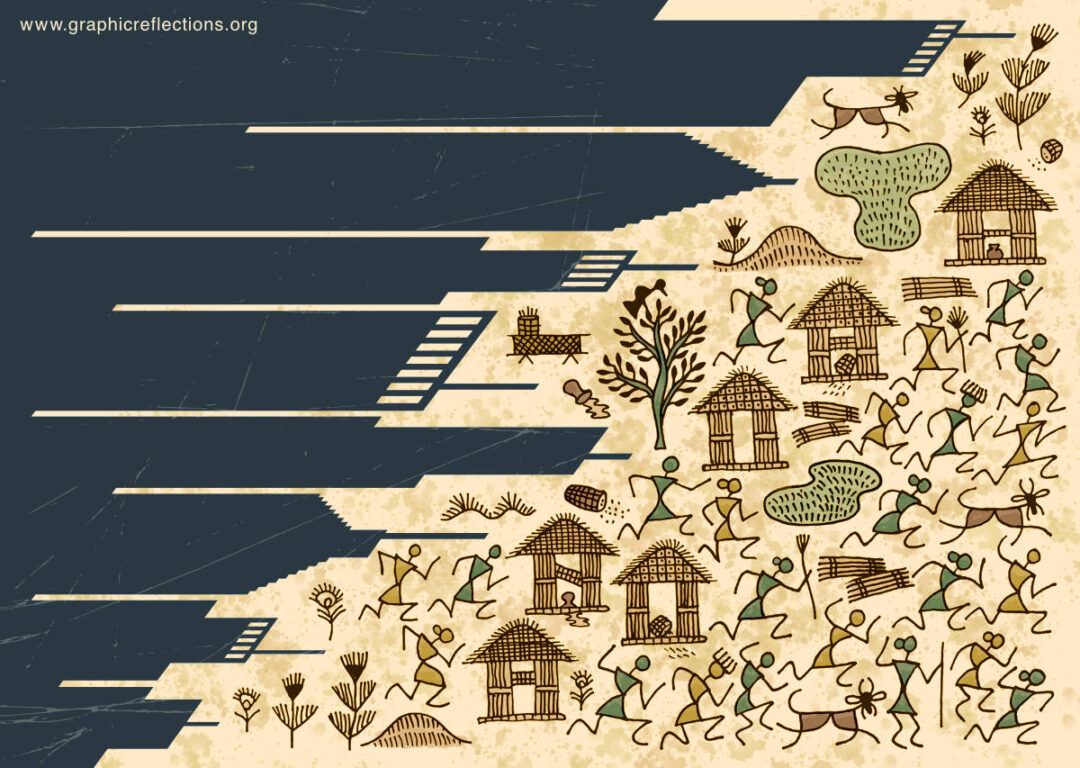
This graphic attempts to highlight the irony of eco-tourism projects in India, with special reference to lakes. More and more Indian lakes are ‘developed’ to become tourist friendly: with heritage structures, walkways, driveways, amusement parks, etc. around them and with boating / water sports facilities. As a result of the disturbance, animals and birds (and insects and fishes)—which constitute a lake’s ecosystem—find their homes destroyed and either perish in the process or are forced to leave. Lakes, in a water scarce and environmentally degraded country like india, are hearts of its natural support system, their stereotypical development results in short-term gains and long term loss for the country. Lakes need to be left untouched and respected for the not-always-visible-to-the-naked-eye role they play in securing our environment.

Indo-US Nuclear Deal

August 14th, 2007

Indo-US Nuclear Deal

A simple graphic on the new Indo-US nuclear deal. One does hope that the deal will help to alleviate India’s acute energy crisis in the long term and result in even better political relations with the United States. Besides representing the four flag colours, the colour blocks also symbolise difference of opinions (on both sides) that were regular features of discussions relating to the deal. The deal hasn’t come easy and has a long way to go..

Public Property

June 6th, 2007

Public Property

This graphic tries to portray the humiliating treatment given to public property in India by the general public. Property that is provided for the convenience of people is littered, scratched, abused, plastered by posters, sometimes destroyed, etc. The most worrying fact is that destruction of public property has become a symbol of protesting, causing huge losses to the exchequer, inconvenience to masses and a setback to the development process. India desperately needs strict laws and massive fines to check destruction or abuse of public property.

Going West

May 25th, 2007

Going West

A pun on the north-pointing sign found on maps, this graphic tries to depict the attraction of or inclination towards the West. Most developing countries (India included) wish to develop themselves like western countries, most educated individuals wish to have the same kind of lifestyle as their western counterparts. If there is one direction in which the world is headed, it is probably west.

Developing-Developed

One significant difference between developed and developing countries lies in the way they manage their garbage (I am specifically referring to municipal solid waste here). Several developed countries have strict rules and proceedures in place regarding garbage disposal and violators are fined heavily. Proper management of grabage is a strong indicator of a responsible and developed society. To become a developed country in that sense, India has a long way to go. Today, in India, there is an urgent need of strict garbage disposal rules, proceedures and related education. (Bottom right photograph: garbage collection in Sweden. Photographer: Niklas Johnsson, curtesy Stock Xchng. Top left photograph: garbage collection bin outside a South Delhi neighbourhood.)

Population’s Weight

November 12th, 2006

Population's Weight

This graphic tries to portray the ‘weight’ India’s billion strong (and growing) population exerts on the development process of the country. To develop the country or to ‘uplift’ such a huge population, India’s development process will have to be that much stronger, weightier and tougher.

Sustainable Development

November 9th, 2006

Sustainable Development

A very direct graphic to depict ‘Sustainable Development’. A country’s development (dictionary meaning: to grow, become more mature, advanced, or elaborate) process is only justified if it respects, protects and nurtures the natural environment—on which depends the existence of all life forms including Man.

Population Pac-Man

November 8th, 2006

Population Pacman

Is India’s population eating up the country is the question this graphic (based on the famous computer game Pac-Man) tries to ask. While many say India’s workforce will be younger than China’s in the next few decades (right now China is world’s fastest growing major economy) and give China a run for its money, a few relevant questions that arise is ones mind are: will the (already crumbling) infrastructure in Indian cities be able to cope up with the demands of a rising polulation? Will India’s already-under-pressure natural resources be able to sustain the requirements of a mega population? And most importantly, which socie-economic classes do most current newborns in India belong to, what kind of education and healthcare are they likely to receive and how likely are they to get a piece of the economic growth pie?

Religious Clashes

October 30th, 2006

Clash of Religions

Religious clashes deface and destabilise the country is what this graphic (based on the Gujarat riots of 2002) tries to portray. No religion teaches hatred, senseless destruction or killing; riots are often fuelled by sly political agendas and usually result in loss of life, peace and property among other things. Riots are almost always a setback to the development process.

Invasion

October 28th, 2006

Invasion

Originally created for a group exhibition of posters titled ‘Invasions’ (held at Palm Court, India Habitat Centre, New Delhi, in May 2003), this, somewhat negative looking graphic attempts to question modernisation. Development today is often confused with modernisation and a western, resource intensive lifestyle does not necessarily raise peoples standard of living. For a country like India to ‘develop’, it is perhaps more important for its people to have clean air to breathe, a healthy living environment, food, clothing and shelter, and access to educational and healthcare facilities than to adopt western style life and give up age-old, simple and sustainable ways of living. A debatable point :-)